
The New Playground
Public parks aren’t packed with kids the way they used to be. Have you noticed? There must be something more enticing than slides, swings and monkey bars that keeps them away. An obvious culprit is the online world, which has become such an alluring go-to for kids, they tend to prefer it over almost any other activity.
Parents might like that their kids are home more. Within sight. “Safe,” we think. But the online world is far more dangerous than any public playground ever was. In fact, if we were to compare the online world to a playground and represent it accurately, it would look more like a scene playing out in the Colosseum around 80 AD. Back then, “the arena witnessed bloody gladiator battles, epic hunts pitting humans against wild animals, and gruesome executions of prisoners of war and criminals.” The thing is, while the Colosseum could only entertain up to 80,000 spectators at a time, it’s estimated that 6 billion people find entertainment on the internet.
While we may find it repulsive to think of 80,000 people being entertained by bloody battle reenactments and public executions, we can find far worse material online today. It’s as if any line of propriety we once held firm was pushed back–first by an inch, then by a foot, then by a mile–until the need for a line at all became obsolete.
What Happened to Childhood?
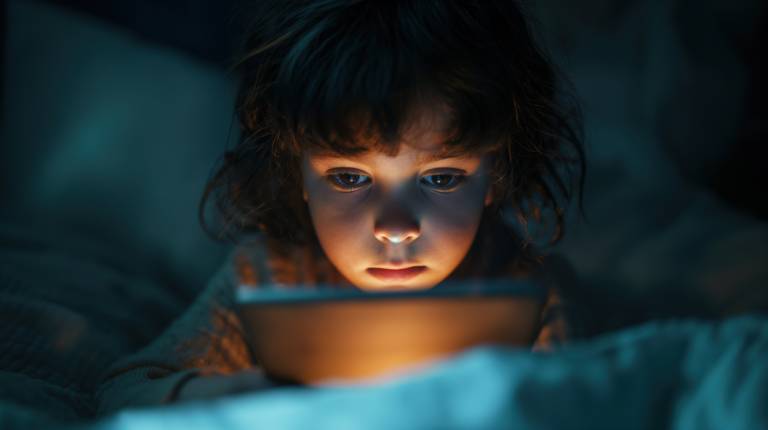
Jonathan Haidt has referred to our screens as personal portals that can transport us anywhere. Our kids may look calm enough sitting on the leather sofa in the family room, but each of them is in a world of their own choosing, in which there are very few restraints. Children accidentally happen upon alarming material all the time. And then there are kids who use their screens to follow their curiosity until it begins to hijack their childhoods. It’s happening right under our noses.
My own daughters were in their mid-teens when they entered the smartphone world. I come from the generation of parents that didn’t know any better. While we tried repeatedly to put restraints and rules on screen use, that exposure still took a massive toll on them. In the end, it didn’t even feel like we had a say in the matter.
My middle daughter is 23 now and talks about how her use of social media all those years ago dramatically affected her body image. She says the way she sees her body has been warped by the ideal images she sees online. She doesn’t know how to look at herself objectively in the mirror anymore.
Then there’s my oldest daughter, age 25. She blames a particular app for glamorizing eating disorders and making self-harm look attractive. Although many factors played into her mental health struggles, if it hadn’t been for this app, she probably would’ve never fallen into the destructive habits she did 9 years ago. Referring to the app, she says it taught her how to do things she never would’ve known how to do.
Draw the Line
Enter the App Store Accountability Act (SB 142). Utah and Texas are the only two states, as of yet, to have passed this bill. Instead of being blind to all that our kids might be exposed to online, this bill requires parent verification before minors can download or make in-app purchases. It takes protective measures to ensure apps are rated appropriately and holds the creators accountable if they’re not. And through SB 142, parents have the right to take action against apps with misleading or harmful content. App developers have to comply with the Children’s Online Privacy Protection Act (COPPA), providing age-appropriate parameters within which minors can find added safety. This is a big win!
Apps are not an easy service to keep in check, but here in Utah, we’re taking a stand and drawing a firm line once again that puts children’s well-being first. There is so much they should not be exposed to. Now we have the chance to enter this global arena and put a stop to the thoughtless, unfiltered content playing out right before our children’s eyes. With the right collaborative efforts, maybe we can get them back on the playground.